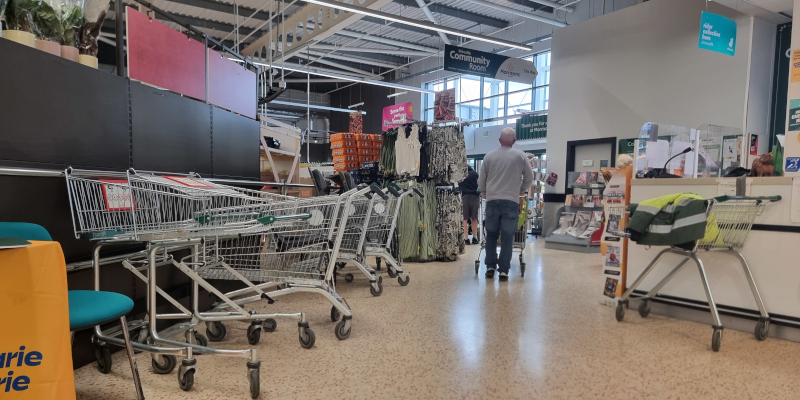
Red routes, shopping trolleys, and accessibility
My local Morrisons rearranged its trolleys to maximise the ‘red route’ through the store. Here’s why that was a bad idea.
My local Morrisons rearranged its trolleys to maximise the ‘red route’ through the store. Here’s why that was a bad idea.

Consulting and researching with disabled people is crucial, at every stage of a design process. But it’s not enough.
This post details some useful schemes you can apply to once you have your ADP Award Letter. It focuses on Scotland, but most of it applies to PIP, too.

‘Helping’ disabled people without asking isn’t just a consent issue. It’s a health and safety issue, too.
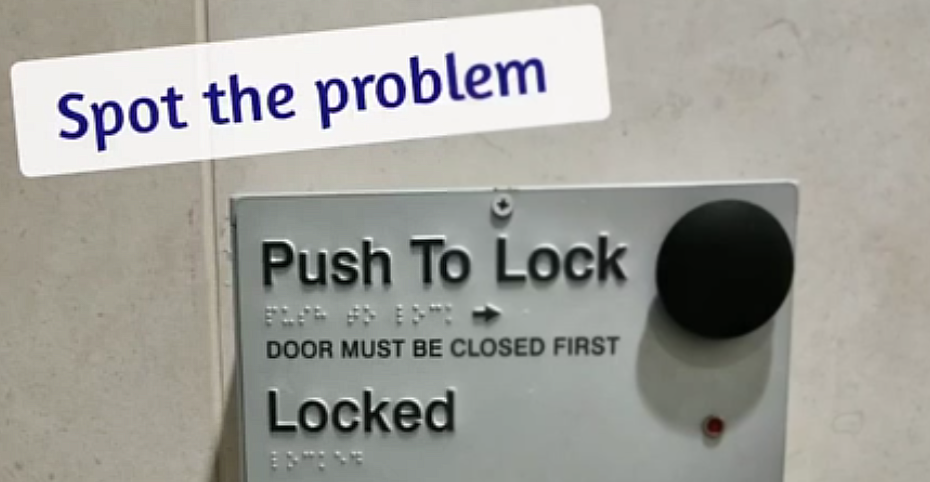
A service can have well designed accessibility in almost all the details, but without taking a look at the bigger picture, it can still be unusable.
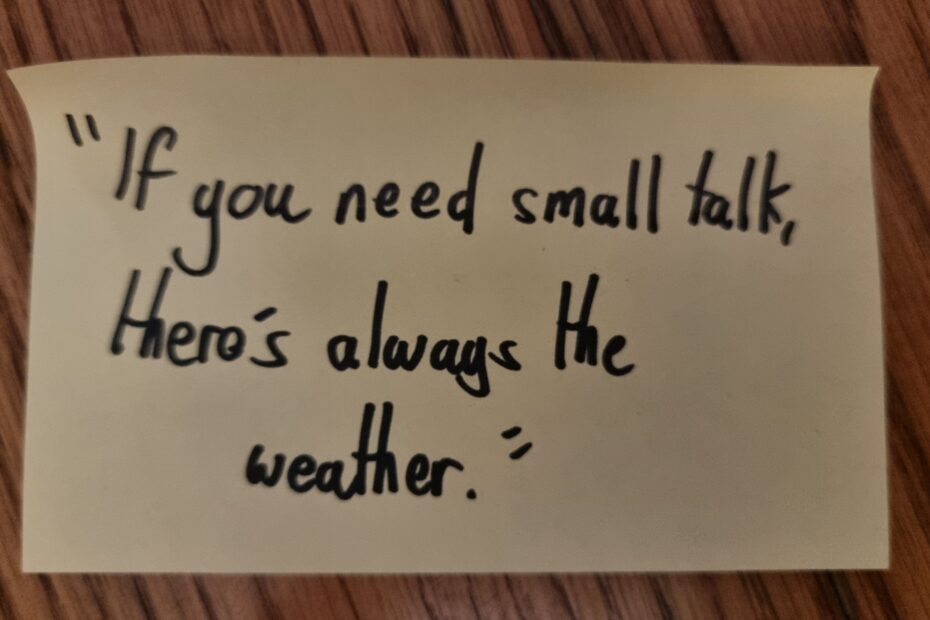
People asking about diagnoses might be trying to help, might be making small talk, or might just be curious. Your intentions might be good – so why exactly shouldn’t you ask people this question?
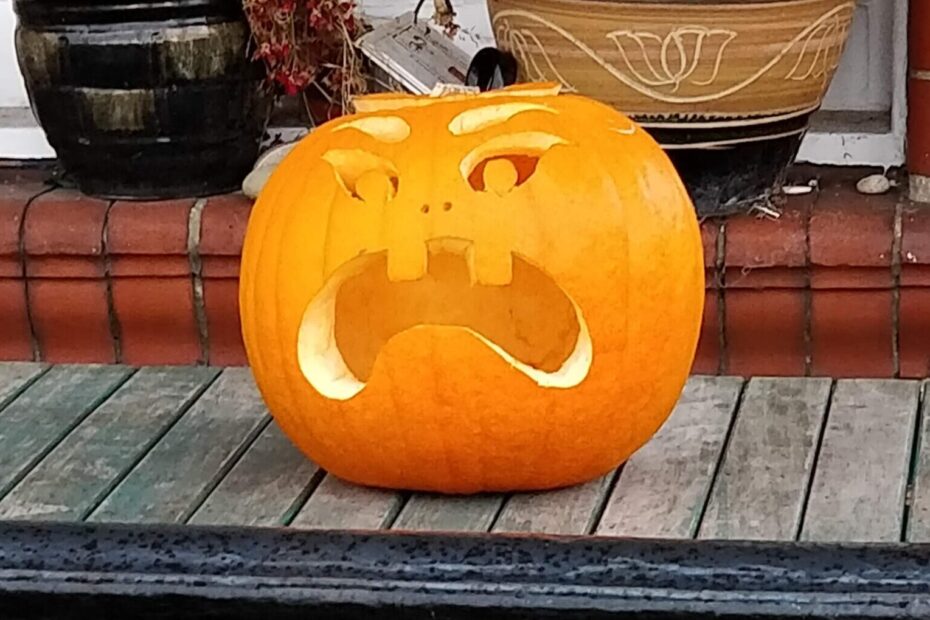
Blue pumpkins for autistic children might sound like a lovely concept, but like many accessibility ‘solutions’, it’s actually pretty flawed.
I competed in three grownup races at Sports Day. It highlighted a lot of accessibility principles that can be applied to any context.
Some reflections on physical accessibility and what it can teach us about creating accessible, inclusive digital content.
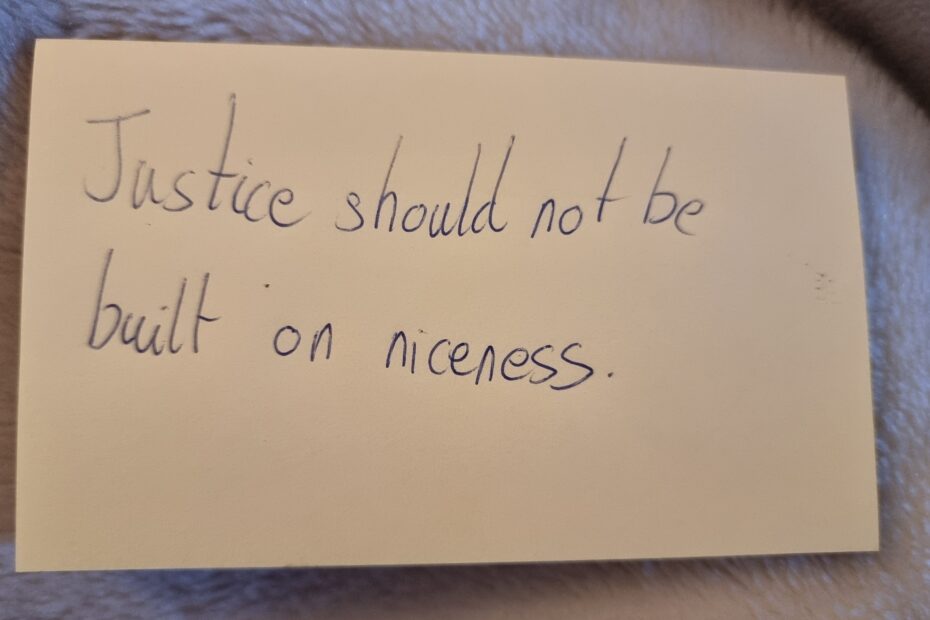
Why medical help that relies on someone being pleasant creates dangerous bias.
Contact me or follow on social media to see how we could work together.