
5 ways your inaccessible content can pass WCAG anyway
There are lots of ways a site can pass WCAG but still be inaccessible, particularly if you’ve used an automated checker. Here are 5 I see too often.
There are lots of ways a site can pass WCAG but still be inaccessible, particularly if you’ve used an automated checker. Here are 5 I see too often.

This post explains what headings are and how they work, so you can use them to structure accessible content.
People asking about diagnoses might be trying to help, might be making small talk, or might just be curious. Your intentions might be good – so why exactly shouldn’t you ask people this question?
I often need to test the content I’m creating with real people. Sign up to my tester database if you’re interested in becoming a paid tester.

This post gives some high-level practical tips on how to intentionally include people who experience the world differently from you, whether due to disability, culture or identity.

Blue pumpkins for autistic children might sound like a lovely concept, but like many accessibility ‘solutions’, it’s actually pretty flawed.
I competed in three grownup races at Sports Day. It highlighted a lot of accessibility principles that can be applied to any context.

Some reflections on physical accessibility and what it can teach us about creating accessible, inclusive digital content.
Creating inclusive content design policies is harder than it looks. You need to protect your reputation, your users, and your workers.
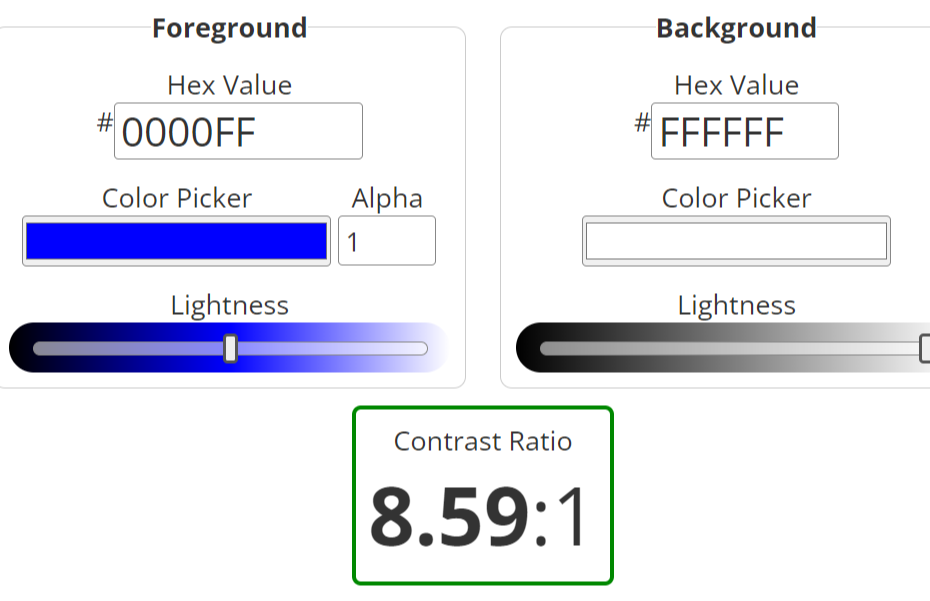
Reviewing the accessibility of a site always needs human input. But there are still some useful free tools out there to help guide you.
Contact me or follow on social media to see how we could work together.