It’s ‘whom’, not ‘who’. It’s ‘whilst’, not ‘while’. It’s ‘that’, not ‘which’.
From my years working in editing and proofreading fields, I understand the rules behind all these annoying corrections.
I’ve felt smug and superior about it. In the past, I’ve even jokingly identified as a ‘grammar nazi’.
But in a world where real nazis are running amok, I’m now writing this by way of an apology for the times I’ve acted like a condescending little prick.
Etymology and linguistics
I could give you a nerdy explanation of when ‘whilst’ is technically correct, or when ‘utilise’ is etymologically the more accurate word. Personally, I’m fascinated by the history and origins of language.
But practically speaking, it’s not useful information. There isn’t a single speaker of the English language who won’t know what you mean if you use ‘while’. Any objections are just noise, and elitism.
When grammar and spelling matter
Don’t get me wrong: grammar, spelling and punctuation provide helpful rules. Of course they do.
They are important for:
- Common understanding: If I decide that I want to spell ‘cat’ my own unique way, using 3 Ds and and a Q, that’s going to cause confusion.
- Cognitive processing: When people use ‘your’ instead of ‘you’re’, it does upset my poor wee neurodivergent brain – it’s much harder for brains like mine to process when spelling is all over the place.
- Professionalism: If you want to be taken seriously as an institution – or even a country – having output riddled with errors can be a problem. Rightly or wrongly, it creates concern that there’s a lack of attention to detail in general.
- Respect: Spell people’s names right. Spell the names of countries right. Otherwise, it can show a lack of respect that often crosses into racism.
When governments can’t spell countries
These examples of poor spelling from the US government are a good demonstration of where this kind of thing genuinely worries me.

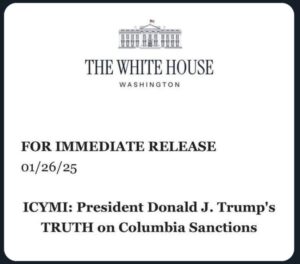
But even in these examples, it’s not the spelling itself that’s the worry. Typos happen. I once registered and paid for the website address ‘proofreadingscotand.com’ before realising I’d missed out the ‘L’.
The worry when the military misspells ‘military’ is that no-one took the time to check. No-one noticed the mistake and corrected it. No-one is thinking through decisions. So what else are they doing in this same hurried, thoughtless fashion?
When grammar and spelling are beside the point
When it comes to more casual written communication, ordinary people shouldn’t be expected to have their thoughts proofread or edited by a third party.
And by ‘casual written communication’, I mostly mean social media.
You can strive for clarity in your own writing. I certainly do. But when people start to mock poor spelling, or try and dismantle arguments based on bad grammar, things have crossed the line fully into ableism.
If you’re able to tell someone they spelled a word wrong, you know what they meant.
The idea that someone’s important political or humanitarian argument is rendered invalid by a spelling error or clumsy grammatical structure is a logical fallacy.
Find better retorts
For example, I saw a post from a Bluesky user claiming ‘Atheists will never have the upper hand when they can’t even spell atheist’.
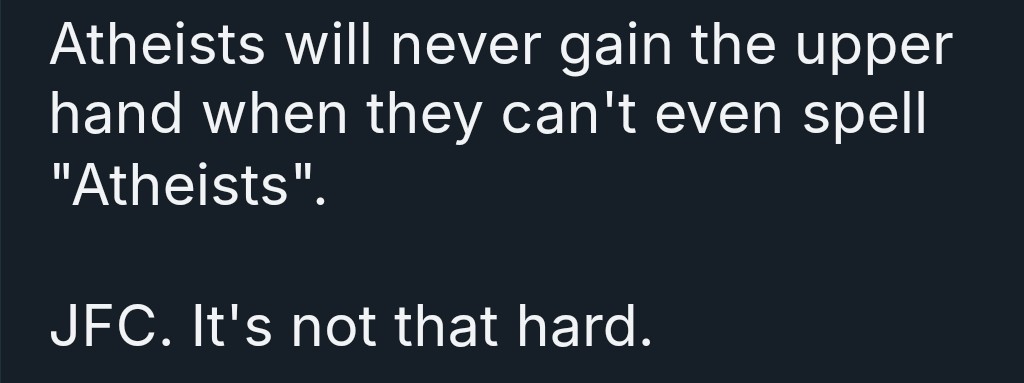
That’s just nonsense. The truth is that no group will have the upper hand when their only retort in a debate is a ‘gotcha’ for a misspelt word.
It doesn’t matter what side you’re on
I want to be clear – I see this kind of thing from people whose stances I agree with and disagree with. As I said, I’ve been guilty of it myself.
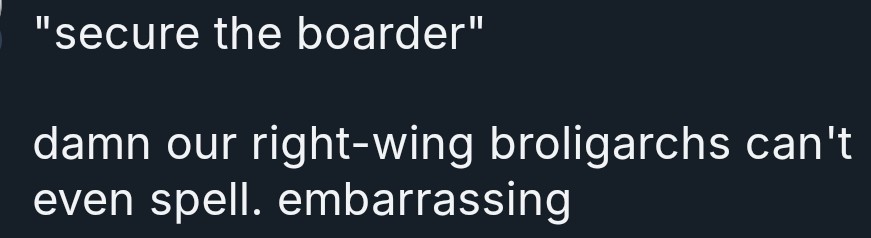
The point remains that if you’re trying to make yourself feel superior to someone because you did better in English class, it’s no different from telling them they’re wrong because they have stupid hair. It’s childish.
Empathy, not etymology
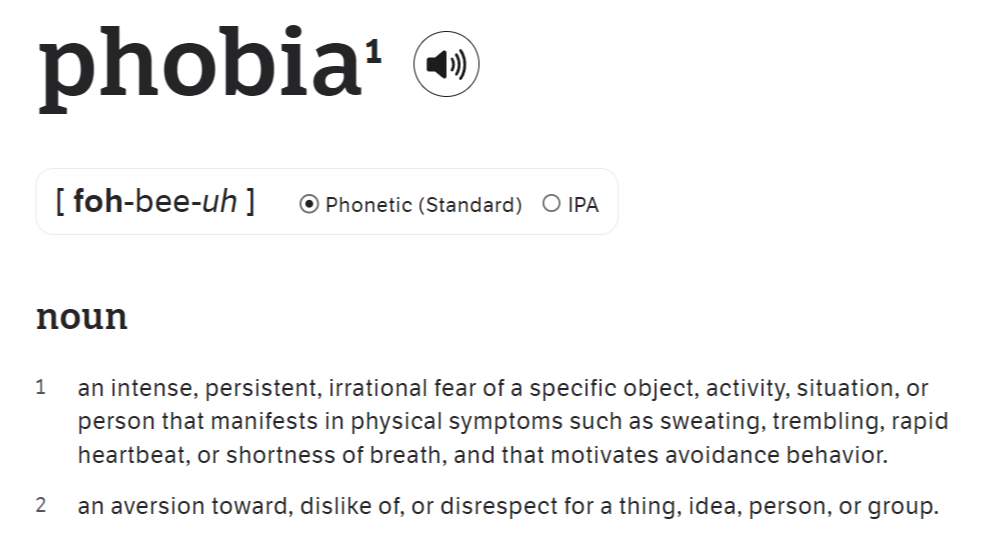
A similar thing happens with etymology of words. I’ve frequently seen transphobic people claim they are not ‘afraid’ of trans people, and therefore aren’t transphobic.
I could respond with a linguistic explanation. In fact, ‘phobic’ as a suffix relates to both fear of something, and an aversion of dislike or something. But I tend to respond with the ‘block’ button instead. If someone accuses you of hate speech, and your only defence is grammar, then I really have better things to do than interact with you.
Humanity, not elitism
There are plenty of ways to disagree with people online, and plenty of opportunity.
We should be debating things using science and human empathy, not spelling and punctuation.